About
One trade, done properly, in one city
Wolf Repair Denver is an independent shop working on Wolf cooking equipment across Denver and the neighbourhoods around it. Ranges, wall and steam ovens, cooktops, hoods, liners and downdraft vents. That is the whole list, and it is deliberately short.
Refrigeration is a different trade — different gauges, different failure modes, different parts on the van. Plenty of shops will take both. We would rather be the one you call when the range is the problem and tell you honestly that a built-in fridge is not our work.
Denver does change how this equipment behaves, though not in the way it is usually sold. Wolf states that its natural gas ranges work up to 8,600 feet with no adjustment at all, and this city sits a long way under that line, so a range here is not mis-jetted from the factory and does not need converting. What the thinner air does do is make a lazy flame look normal and a badly seated cap easy to live with. The water is hard enough to scale a steam oven's inlet valve inside a couple of years. Spring dust and cottonwood load a hood blower until the cutout gives up. None of it is exotic. It is local, and it is what the first ten minutes go on.


How we work
Measure first, and say what it costs before it happens
A visit starts with the appliance, not the parts catalogue. On a gas call that means lighting every burner and looking at it, checking how each cap is sitting, and then what the supply is doing behind them. On an electric one it means resistance and current draw through a real cycle, and airflow measured before any blower is quoted. Boards get metered around rather than swapped first: a burnt connector and a dead board are indistinguishable from the front, and only one of them costs anything.
The visit is a flat $89. That pays for getting here and for finding the fault, and every cent of it is deducted once you agree to the repair. Parts and the labour to fit them are quoted on top of that before anything is ordered — a single figure agreed with you, never an hourly rate that grows while you watch. And when putting the thing right is not worth what it would cost, you will be told so plainly instead of sold the repair.
- EquipmentWolf cooking only — no refrigeration
- Out on calls8:00 am – 8:00 pm, seven days
- Number is live24/7
- To come out$89, taken off the repair
- Trading since2014
- LicenceThis is a licensed, bonded and insured shop. The licence number is not printed here; ask on the phone and you will be given it.
Why this shop
Four habits that decide whether a Wolf repair holds
None of these are hard. They are simply the steps that get skipped when a visit is being run to a clock rather than to the fault.
-
Altitude gets checked, not assumed
A mile up changes how a flame behaves, and it is the reason half of Denver believes its range needs re-work it does not need. We read Wolf’s own limit for these ranges, measure the supply, and tell you which of the two you are actually looking at.
-
Boards are read, never swapped on a hunch
Electronics are the expensive guess. A switch, a harness and a burnt connector all look identical from the front panel, and only one of them is a board. Everything gets metered before a board is named, on the cooktop side and the oven side alike.
-
The cheap causes are eliminated first
A cap a hair off centre, a wet electrode after a boil-over, a knob that is not springing back. Wolf lists all three before it lists a part, and so do we — there is no sense quoting a module for something a brush and ten minutes will settle.
-
One figure, agreed before anything opens
The $89 visit covers turning up and finding the fault, and it comes off the repair once you approve it. After that it is one number, agreed with you, not an hourly rate that grows while you watch. Where a repair is not worth doing, that is the advice you get.
Inside a call
Apart, then back together
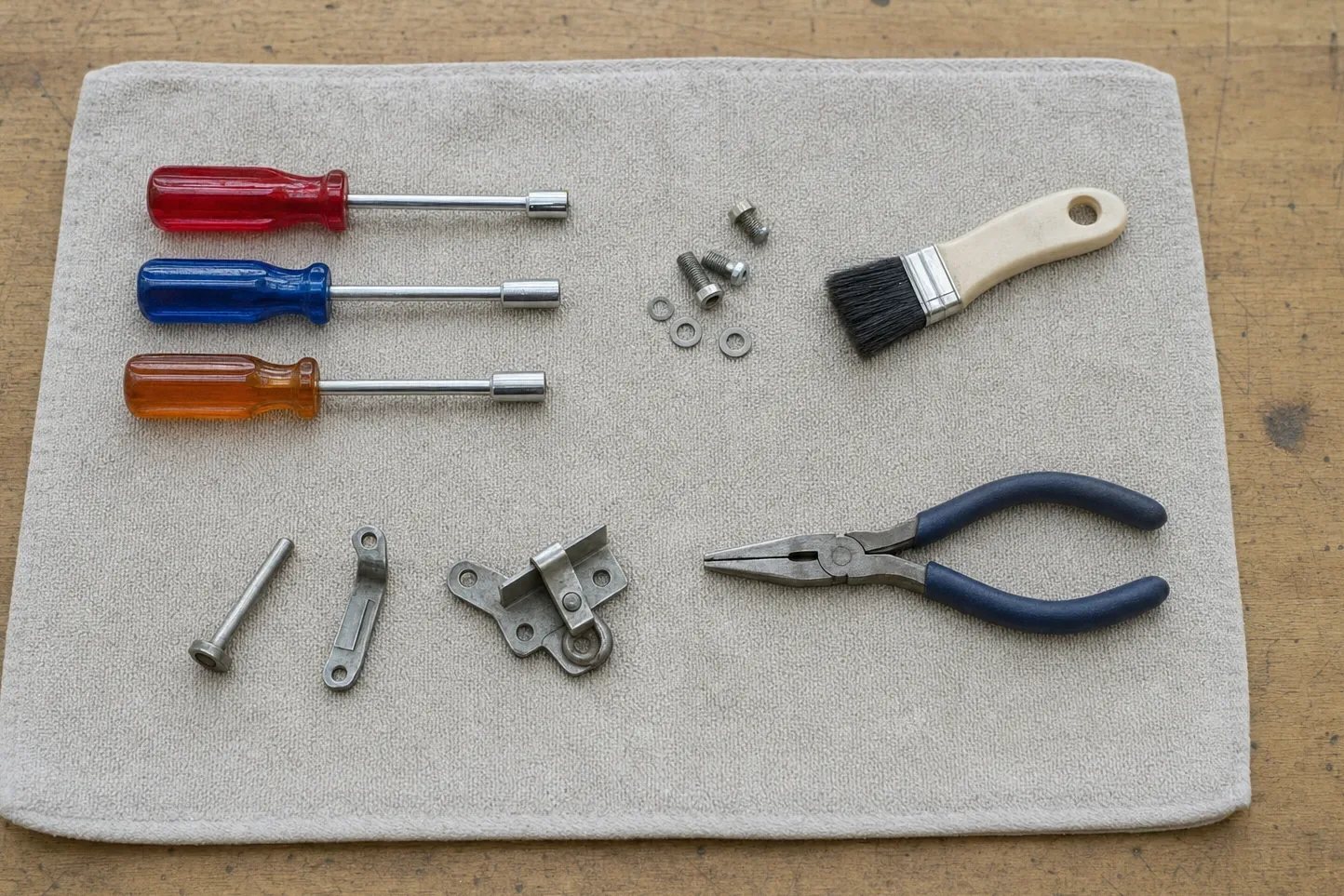
Most of what goes wrong on a Wolf cooktop is under the cap, and most of it is mechanical rather than electronic: a crusted port, an electrode out of position, a cap that has never sat flat since the last clean. Neither frame is a promise about your kitchen. They are what the work looks like.
 Opened up
 Assembly out
Step by step
How a call actually runs
-
Tell us what it does
What changed, when it changed, and what the range does now. If you can read the code on the rating plate, say it on the phone: it decides which parts travel with the van.
-
A time, not a window
Someone picks up around the clock. Work itself happens 8:00 am – 8:00 pm, seven days, and you get a named slot plus a call before anyone sets off.
-
Find the fault, then price it
Flame, spark, supply, sensors, airflow — in whatever order the symptom points at. The fault, the part and the figure arrive together, in one conversation, before an order is placed.
-
Proved before we leave
Where the complaint was a flame or a temperature, we stay for the cycle that shows it cured: a burner held at its lowest setting, a full preheat, a cavity that settles where it was asked to.
Book it
Read us the plate, describe the flame, and leave the rest to us
Say what the flame is doing and the van is loaded for that fault before it leaves. $89 pays for the drive and for finding it, and comes off the bill when you say go ahead.
Out on calls 8:00 am – 8:00 pm, seven days · the number is live 24/7